Ion Channel Screening Services
Screening studies on Kv1.x gene family
The human Kv1.x gene family comprises closely related voltage-gated potassium channels with distinct subtype-specific functional profiles. Due to their high sequence homology and overlapping pharmacology, Kv1.x channels present a particular challenge for compound selectivity assessment.
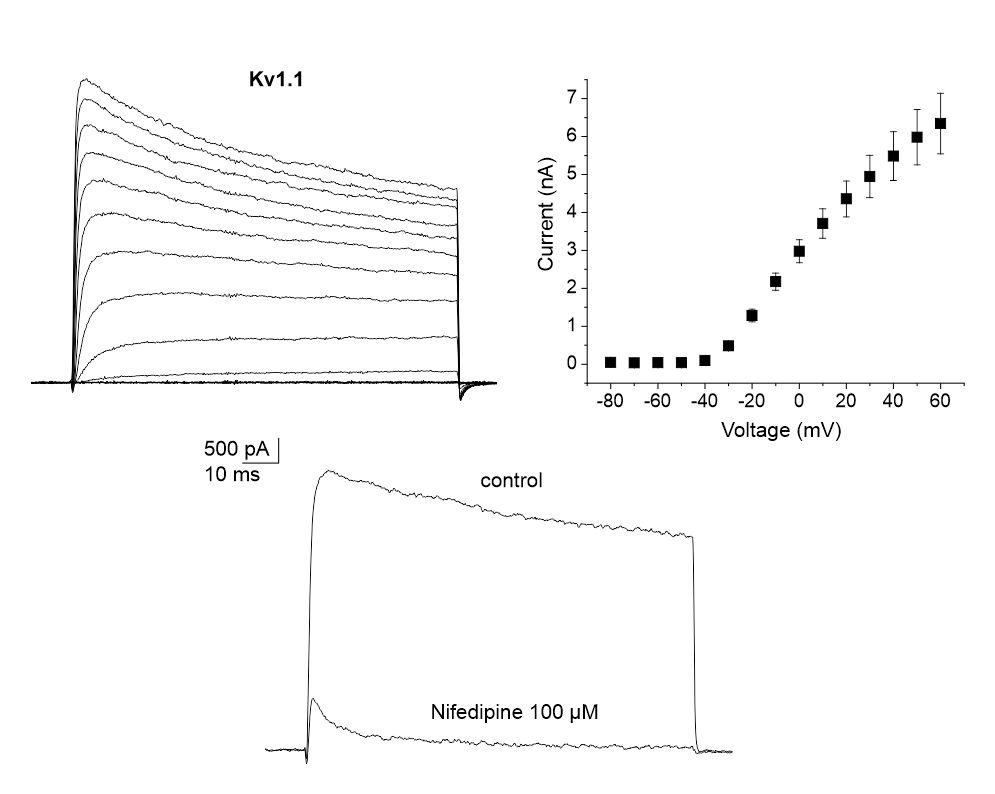
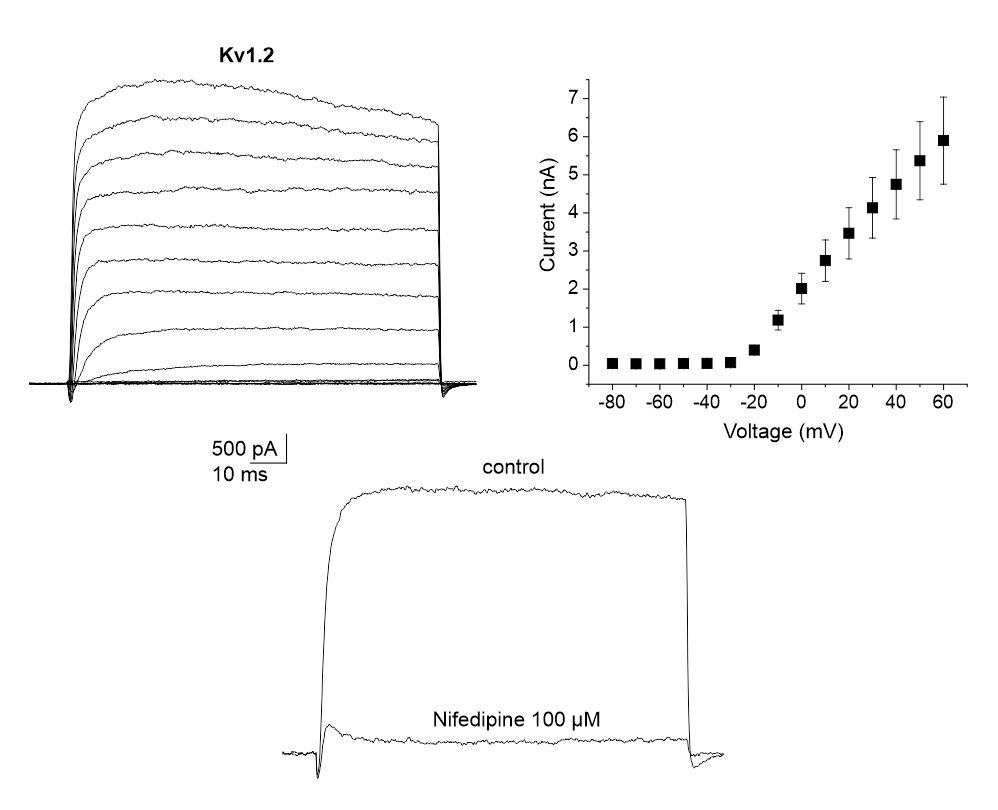
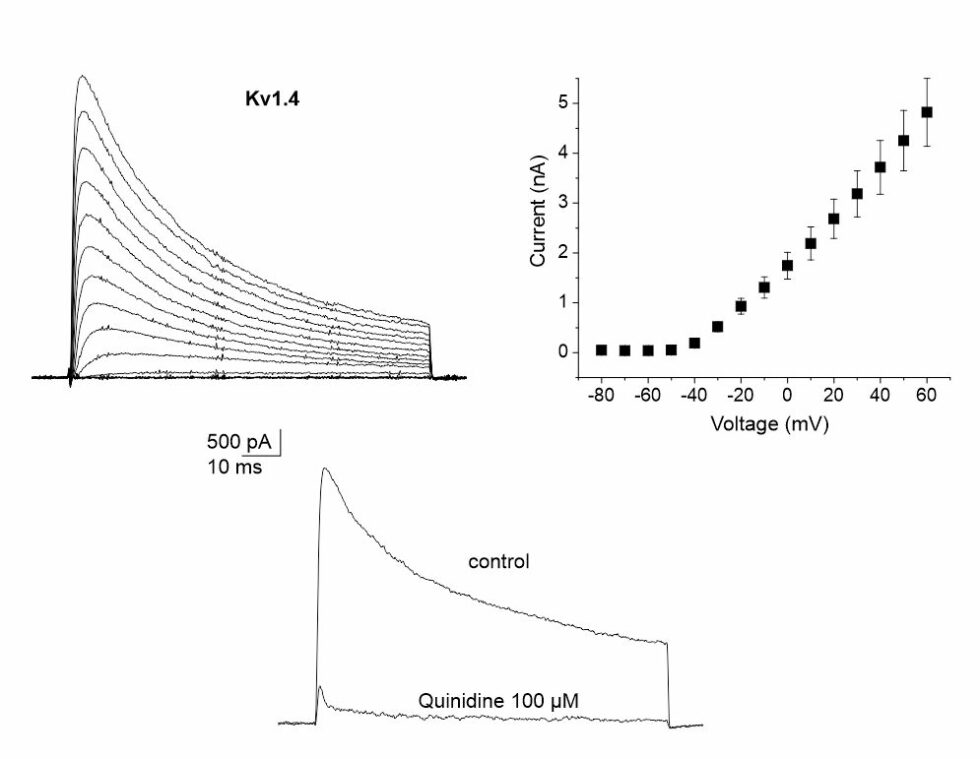
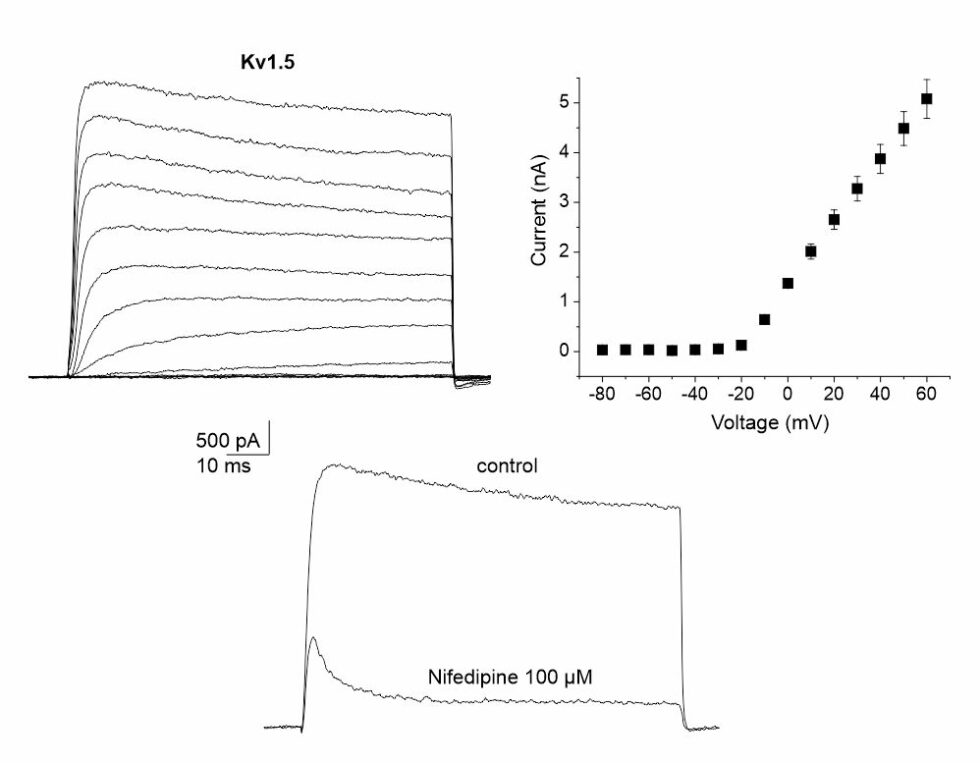
ChanPharm provides screening assays on individual Kv1.x subtypes expressed in mammalian cell lines.
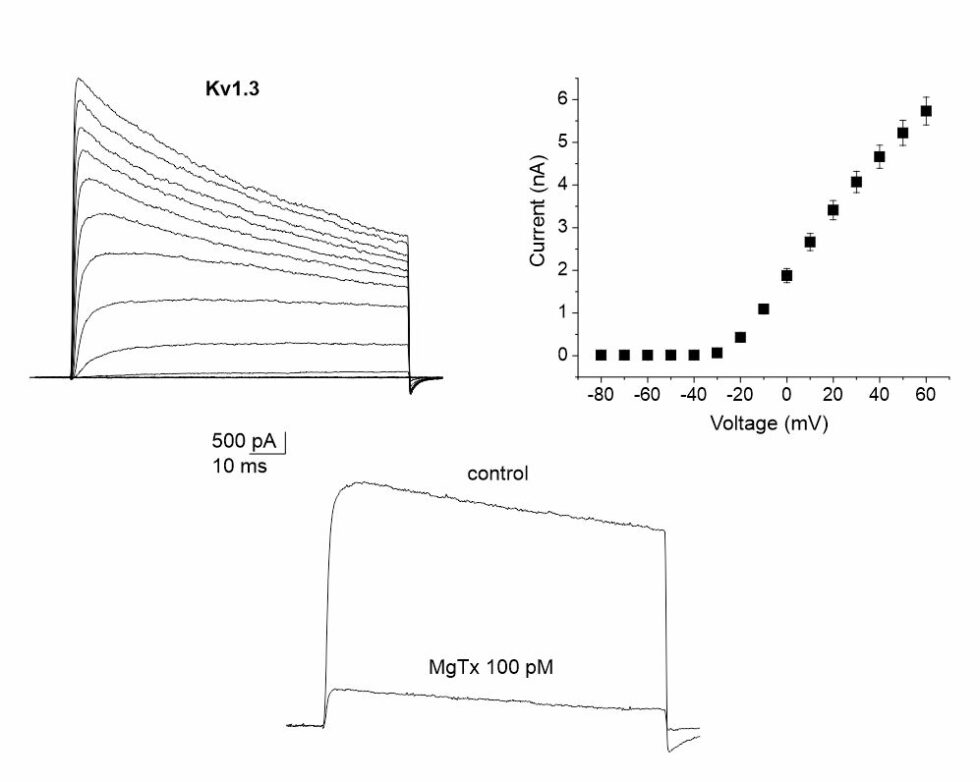
Identification of a highly potent inhibitor of Kv1.3
The voltage-gated potassium channel Kv1.3 is a well-established target of interest due to its role in regulating cellular excitability and immune cell function. Selective blockade of Kv1.3 has attracted significant attention for its potential therapeutic applications.
ChanPharm supported the identification and characterization of a novel, highly potent Kv1.3 inhibitor through targeted screening and functional evaluation.
Screening studies on members of the Nav1.x gene family
Sodium channels are responsible for the rising phase of the action potential and thus determine the conduction velocity of APs. Blockers of different family members have the potential to block the transmission of pain impulses. Nav1.x pass through three different conformations called resting, activated and inactivated states. Drugs inhibit these channels differentially in these states.
Subtype-specific screening on ligand-gated ion channels
GABAA receptors are ligand-gated ion channels that are activated by the inhibitory neurotransmitter γ-aminobutyric acid (GABA). Modulators or agonists of GABAA receptors are in clinical use and serve for example as anxiolytics, sedatives, anesthetics, anticonvulsants, muscle relaxants. The subunit composition of GABAA receptors affects their pharmacological properties. ChanPharm offers screening services on human and rat GABAA receptors of different subunit composition.
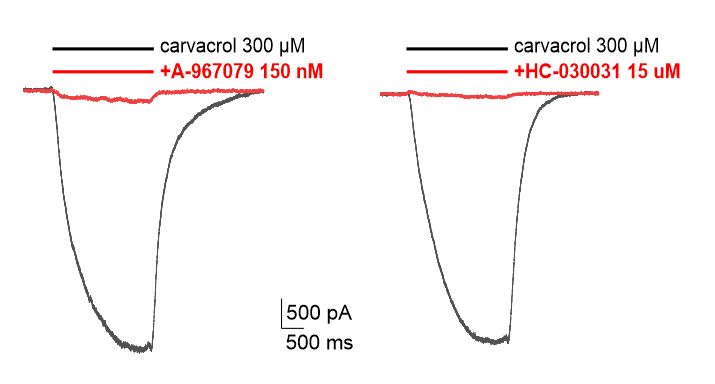
Screening studies on the human TRPA1 receptors
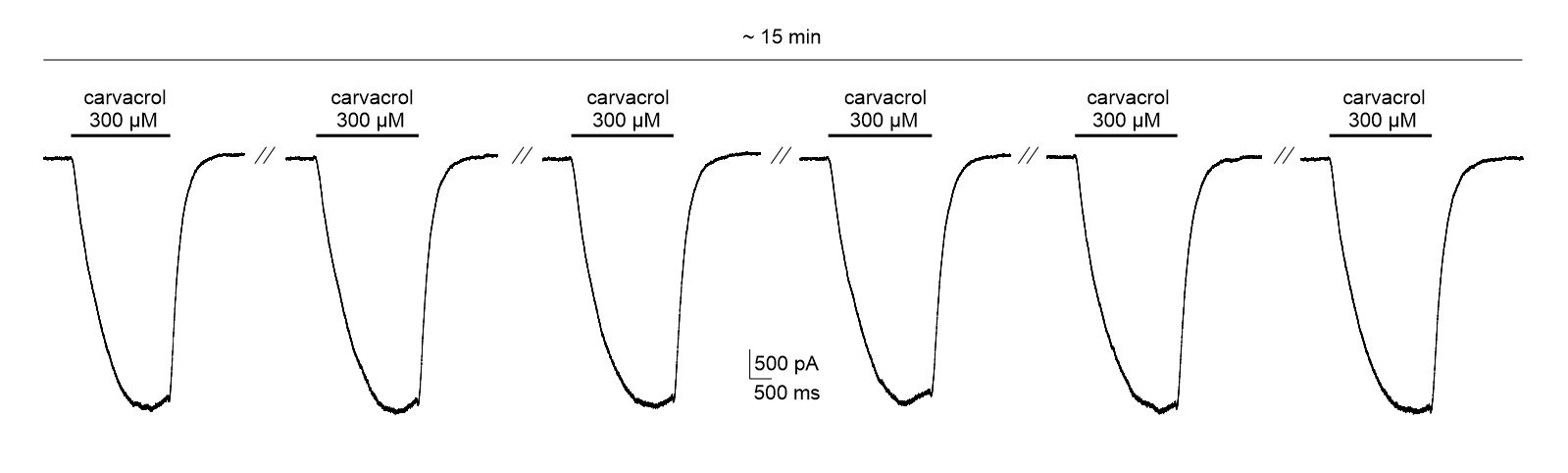
TRPA1 are ion channels involved, among others, in the sensation of pain, cold and itch. TRPA1 antagonists hold promise as pain therapeutics and treatment for other disease states. ChanPharm's optimized TRPA1 assay provides exceptionally stable conditions for screening studies.
What We Offer
Our ion channel screening services support both early discovery and lead optimization, combining throughput, data quality, and mechanistic insight.
- Functional characterization of ion channel activity
- Potency, selectivity, and mechanism-of-action assessment
- Early identification of off-target effects
- Flexible study design aligned with project needs
Screening Platforms & Technologies
SyncroPatch 384
Ion channel screening at scale.
The SyncroPatch 384 is a high-throughput automated patch clamp platform optimized for large-scale ion channel screening. It enables parallel recordings from hundreds of cells, allowing rapid assessment of compound potency, activity, and selectivity across ion channel targets.
This platform is ideal for hit identification, lead prioritization, and early safety profiling where speed, robustness, and data consistency are critical.
Best suited for: Primary screening, hit confirmation, potency ranking, early off-target assessment
NANION TECHNOLOGIES HIGH THROUGHPUT
Patchliner
High-quality functional profiling with automation.
The Patchliner provides medium-throughput automated patch clamp recordings with excellent gigaseal quality and high data fidelity.
It is well suited for detailed ion channel characterization, including concentration–response studies, state dependence, and mechanism-of-action analysis, bridging high-throughput screening and manual electrophysiology.
Best suited for: Secondary screening, lead optimization, mechanism-of-action studies
NANION TECHNOLOGIES MEDIUM THROUGHPUT
Manual Patch Clamp
Gold-standard ion channel electrophysiology.
Manual patch clamp provides unmatched experimental control and resolution for studying ion channel function.
This approach is used for complex protocols, detailed kinetic analysis, and challenging targets where maximum data quality and flexibility are required.
Best suited for: Detailed kinetics, complex protocols, validation of screening results
CONVENTIONAL SYSTEMS GOLD STANDARD
Fluorescence-Based Imaging
Population-level functional readouts.
Fluorescence-based imaging enables real-time monitoring of ion channel activity using optical signals such as calcium or voltage-dependent fluorescence.
This approach supports parallel analysis of large cell populations and complements electrophysiology by providing spatial and temporal insight into compound effects.
Best suited for: Functional phenotyping, complementary screening assays
Voltage-Sensing Dyes
Optical membrane potential screening.
Voltage-sensing dye assays provide an optical method to detect changes in membrane potential in response to ion channel modulation.
These assays enable high-throughput functional screening and rapid identification of active compounds prior to electrophysiological validation.
Best suited for: High-throughput functional screening, early activity detection